(How to make your policy work harder – without leaving money on the table)
This guide was compiled by Life Policy Solutions, a nation’s best life settlement broker, to help readers make informed, confident life-settlement decisions. It explains how settlements work, who qualifies, what benefits and risks to consider, and the key questions to ask before moving forward. The goal is to empower policyowners to turn life insurance into financial strength with full transparency.
Why Life Settlements Matter
Most people buy life insurance to protect loved ones. Then life changes. Premiums climb, needs shift, dependents become independent, or the original reason for the policy vanishes. At the same time, many policyholders don’t realize there is another option beyond just continuing to pay, letting it lapse, or surrendering it for its cash value.
Enter the world of life settlements—the process of turning a life insurance policy you no longer need (or can’t afford) into immediate cash. It’s a strategic move, not a desperate one. And for many, it’s far smarter than surrendering the policy and losing nearly all value.
By the end of this guide, you’ll understand:
– What a life settlement is
– Why it is important
– How it works
– The benefits and risks
– Who the main players are
– What makes one transaction succeed and another fail
– Who is eligible
– What policies qualify
– What a viatical settlement is
– And the most important questions to ask before selling a policy
What Is a Life Settlement and How It Works
A life settlement is the sale of an existing life insurance policy by the policyholder (the owner) to a third-party buyer in exchange for a lump-sum cash payment.
In practice:
– The policyholder decides they no longer need or can afford the policy.
– Instead of surrendering it for a small amount or letting it lapse for nothing, they sell it to a buyer.
– The buyer becomes the new owner and beneficiary, pays all future premiums, and receives the death benefit when the insured passes away.
– The policyholder receives immediate cash—less than the death benefit but usually more than the surrender value.
From a regulatory standpoint, many states define a life settlement as the sale of a policy to a licensed “life settlement provider” or other third party.
Why Life Settlements Are Important for Policyowners
Unlocking hidden value
Policies can outlive their original purpose. A life settlement lets policyowners monetize a policy and put that money to work now.
Better than lapse or surrender
Letting a policy lapse or surrendering it often yields very little. A settlement can pay several times the surrender value.
Premium relief
After the sale, the buyer takes over all future premiums, providing immediate relief to the seller’s cash flow.
Estate and financial planning
When the death benefit is no longer essential—or the policy is too costly—selling can free funds for retirement, medical care, or other priorities.
A growing, legitimate market
Life settlements have matured into a regulated, institutional market with standardized processes and increasing transparency.
Life Settlement Process: How Selling Your Policy Works
1. Policy review and eligibility check
Key details are reviewed: death benefit, premiums, policy type (whole, universal, variable, convertible term), policy age, cash value (if any), and the insured’s age/health indicators. This establishes whether the policy is a suitable candidate.
2. Find a licensed broker or provider
A broker represents the seller, shops the policy to multiple buyers, and gathers competitive bids.
A provider/buyer purchases directly.
Always verify state licensing and consumer protections.
3. Policy valuation and offer
Buyers evaluate age, health, death benefit, premium schedule, duration, and marketability. They make a lump-sum offer that exceeds surrender value but is below the full death benefit.
4. Acceptance and contract signing
When the seller accepts, ownership and beneficiary rights transfer to the buyer. The buyer assumes all future premiums.
5. Premium payment phase
The buyer continues paying premiums to keep the policy active. A shorter life expectancy typically increases offer value.
6. Death benefit payment
When the insured passes away, the insurance company pays the death benefit to the buyer.
7. Seller receives cash upfront
The policyowner receives the agreed-upon lump sum and no longer has premium obligations.
Simplified process summary:
Policy evaluation → Licensed bids and offers → Ownership transfer → Buyer pays premiums → Seller receives lump-sum cash → Buyer receives death benefit later.
Benefits and Risks of a Life Settlement
Benefits
- Immediate liquidity: Turn an inactive policy into usable cash.
- Higher payout: Receive more than the policy’s surrender value.
- Premium relief: No more out-of-pocket premiums after the sale.
- Financial flexibility: Redirect funds toward care, retirement, investments, or debt reduction.
- Estate planning tool: Helps restructure financial priorities in later life.
Risks and considerations
- Loss of death benefit: Beneficiaries no longer receive the payout.
- Tax implications: Proceeds may be taxable—consult a professional.
- Impact on public benefits: May affect Medicaid or SSI eligibility.
- Offer variability: Values differ; comparing multiple offers is essential.
- Health disclosure: Buyers assess medical records to estimate life expectancy.
Bottom line: A life settlement can unlock substantial value but should align with an overall financial plan.
Key Players in the Life Settlement Market
- Policyowner (Seller): The current owner of the policy.
- Insured: The person whose life is insured.
- Life Settlement Broker: Represents the seller to obtain competitive offers.
- Life Settlement Provider/Buyer: Purchases the policy, assumes ownership, pays premiums, and collects the death benefit.
- Life Insurance Company: Issues and administers the policy.
- Advisors: Financial, tax, and legal professionals who guide suitability and compliance.
- Regulators: State insurance departments that license and monitor providers and brokers.
Factors That Make a Life Settlement Successful (or Not)
Strong success factors
- Older insured age with shorter life expectancy
- Manageable future premiums
- High death benefit
- Stable, in-force policy
- Transparent medical and policy records
- Multiple competing bids
Weak or limiting factors
- Very young or healthy insured
- High premium burden relative to benefit
- Small death benefit
- Complex riders or ownership issues
- Lack of competition or due diligence
The best outcomes come from the right mix of policy characteristics, health profile, premium costs, and open market bidding.
Life Settlement Eligibility: Who Qualifies and Who Doesn’t
Typical eligibility
- Insured age 65 or older (flexible)
- Policy face value $100,000 or more
- Permanent or convertible term policies
- Premiums current and policy in force
- Clear ownership and consent documentation
Less likely to qualify
- Younger, healthy insureds
- Low face-value policies
- Term policies close to expiration without conversion rights
- Recently issued contracts (many states require a minimum holding period)
- Policies with complex riders or excessive premiums
Types of Life Insurance Policies That Qualify for Settlements
Commonly accepted
- Whole Life: Stable cash value, strong long-term structure.
- Universal / Indexed Universal Life: Especially older policies with rising premium loads.
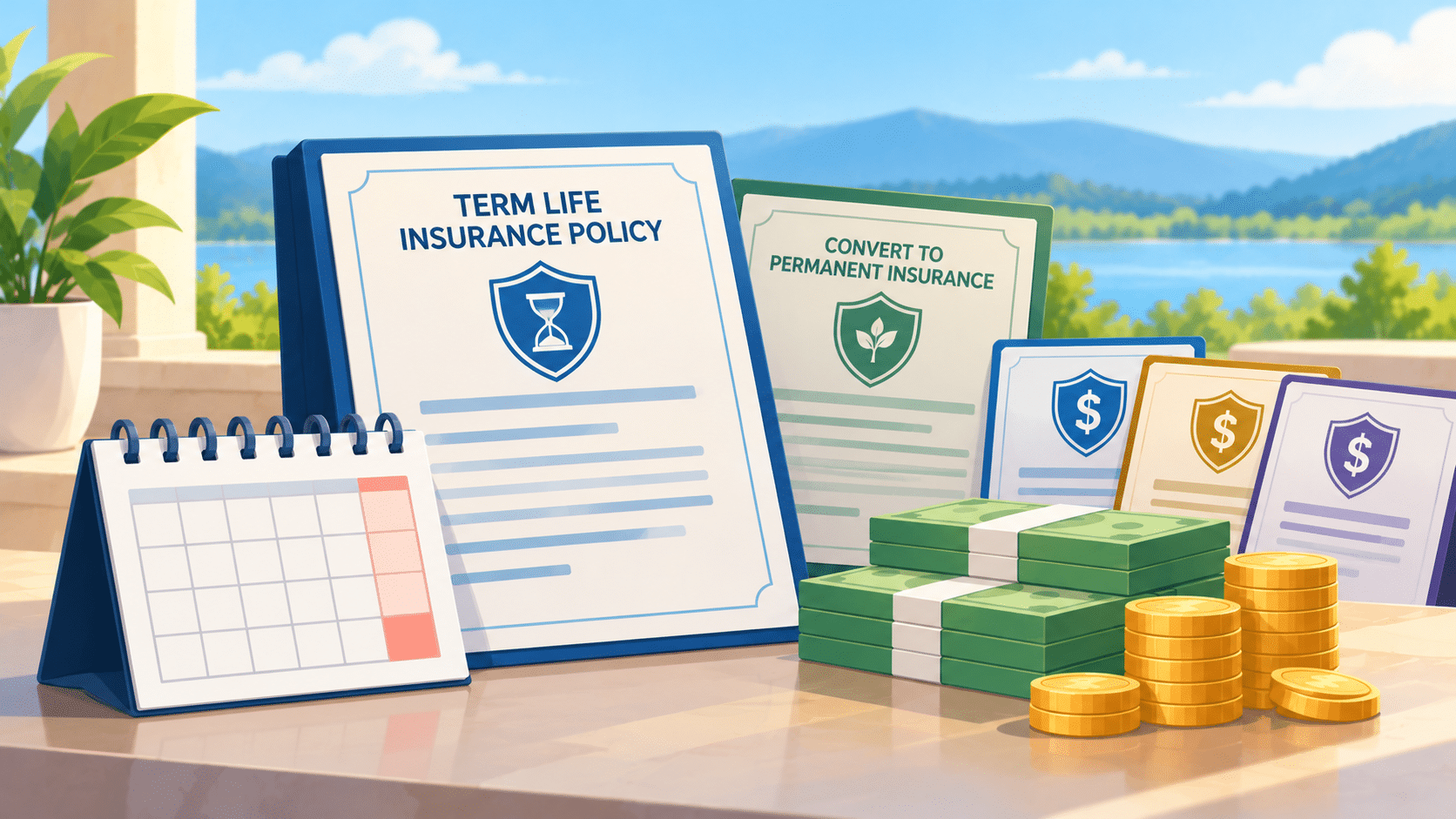
- Convertible Term: Valuable if convertible to permanent coverage.
Less suitable
- Pure Term (non-convertible): Expires without asset value.
- Small-face policies: Low return potential for buyers.
- Highly complex contracts or riders: Hard to underwrite or maintain.
- Newly issued policies: Often restricted by state law waiting periods.
A quick self-check for sellers: policy type, insured age, premium cost, remaining term, face amount, and conversion option.
Viatical Settlements: How They Differ from Life Settlements
A viatical settlement involves selling a life insurance policy when the insured has a terminal or chronic illness. The defining factor is health condition and life expectancy.
Because buyers expect to pay fewer premiums before collecting the benefit, viatical settlements often result in higher cash offers. They are frequently used to fund treatment, caregiving, and end-of-life expenses.
Regulations and tax treatment can differ from standard life settlements.
Questions to Ask Before Selling Your Life Insurance Policy
- What is my policy worth in today’s life-settlement market?
- What will I receive after fees and taxes?
- Who takes over premium payments, and when does that begin?
- What happens to my beneficiaries and death benefit after the sale?
- Could this impact eligibility for Medicaid, SSI, or other public benefits?
- Are the buyer and broker licensed in my state?
- Are there hidden obligations or future risks in the contract?
- How long must the policy be active before I can sell it?
- What will I do with the proceeds, and how does this fit into my broader financial plan?
- Can I change my mind after signing? (Some states allow short rescission windows.)
Common Questions About Life Settlements
Can a healthy person sell their policy?
Yes. Offers may be lower because of longer life expectancy, but many healthy seniors still qualify.
Will my heirs receive anything after the sale?
No. Once ownership transfers, the buyer becomes the beneficiary.
How long does a sale take?
Typically four to twelve weeks, depending on documentation and underwriting.
Are life-settlement proceeds taxable?
They can be, depending on cost basis, surrender value, and IRS rules. Always consult a professional.
Can term life be sold?
Yes, if it’s convertible to permanent coverage. Non-convertible term policies rarely qualify.
Will selling affect public benefits?
Possibly. A large payout can impact eligibility for needs-based programs.
Can I reverse the sale?
Some states allow a brief cancellation (rescission) period; check local law before signing.
Conclusion: Why a Life Settlement May Be a Smart Financial Move
When life circumstances change, a life settlement can transform an unwanted policy into a meaningful financial resource. It provides immediate cash, ends premium obligations, and helps redirect money toward retirement, care, or other personal goals.
Life Policy Solutions helps policyowners explore options with clarity and transparency. To see whether your policy qualifies or to request a no-obligation evaluation, contact Life Policy Solutions at 844-440-7355 or visit www.CashOutLifeInsurance.com for a free review.